
PCOS has a new name — and it changes everything.
As of May 2026, the condition is officially called PMOS: Polyendocrine Metabolic Ovarian Syndrome. The new name better reflects what’s actually happening in the body — a complex hormonal and metabolic condition that affects 1 in 8 women worldwide.
In this article, I break down what PMOS really is, why the name change matters, the full range of symptoms, how it affects fertility, which foods help or hurt, and what the latest research says about acupuncture as a treatment option.
Whether you’ve just been diagnosed, have been living with this condition for years, or simply want to understand it better — this is your complete guide.

Drew has 25 years of clinical experience treating fertility and pregnancy-related conditions, and has spent 18 years training acupuncturists and other healthcare practitioners across Ontario in Traditional Chinese Medicine techniques — including Naturopathic Doctors & Medical Doctors.
A quick note before we begin: You may have heard this condition called PCOS — Polycystic Ovary Syndrome — for most of your life. Most people will continue to use that name for years to come, and that’s completely understandable. But as of May 2026, the medical world has officially adopted a new name: PMOS, which stands for Polyendocrine Metabolic Ovarian Syndrome. I prefer the new name because, as you’ll see shortly, it tells a far more accurate and complete story about what’s actually happening in the body. Throughout this article, I’ll use PMOS, while acknowledging that PCOS and PMOS refer to the same condition.
What Is PMOS — and Why the Name Change?
If you’ve been diagnosed with PCOS, or suspect you might have it, you’ve likely heard the term come with a confusing array of explanations. Cysts on your ovaries. A hormonal imbalance. A fertility problem. A metabolic issue. A skin condition. An anxiety disorder. It can feel like you’re being handed a dozen different puzzle pieces that don’t quite fit together.
That confusion isn’t your fault — it’s built into the old name itself.
On May 12, 2026, a landmark paper published in The Lancet announced one of the most significant rebranding moments in modern medicine. After a 14-year global effort involving 56 professional societies, thousands of patients, and researchers across six continents, PCOS was officially renamed PMOS: Polyendocrine Metabolic Ovarian Syndrome.
The renaming process was extraordinary in its scope. Nearly 22,000 people — doctors, researchers, patients, and patient advocacy groups worldwide — were surveyed and consulted. The process, led by Professor Helena Teede at Monash University in Australia, was described as the most robust and extensive disease-renaming effort in medical history. When asked what they wanted from a new name, participants prioritized three things above all else: reducing stigma, improving communication, and scientific accuracy.
So what was wrong with the old name?
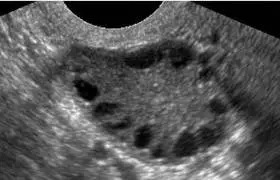
The word “polycystic” literally means “many cysts.” But here’s the problem: the ovarian cysts referenced in PCOS aren’t actually cysts at all. What shows up on an ultrasound are small, immature follicles — eggs that haven’t developed properly — not pathological cysts in the clinical sense. Many women with PCOS never showed cysts on imaging at all, yet were clearly suffering from every other aspect of the condition. This led to a devastating pattern: women being told they couldn’t have PCOS because their scan looked normal, and walking away undiagnosed and untreated for years.
The new name fixes this at the root. “Polyendocrine” acknowledges the disruption across multiple hormone systems. “Metabolic” recognizes the profound impact on insulin, blood sugar, weight, and cardiovascular health. “Ovarian Syndrome” maintains the connection to ovarian and reproductive function without making cysts the defining feature.
This isn’t just semantics. A name shapes how doctors think about a condition, how they test for it, and how they treat it. For the estimated 1 in 8 women worldwide — over 170 million people — who live with PMOS, this change has real, tangible consequences for how well they are understood and cared for.
What Are the Symptoms of PMOS?
PMOS is what’s known as a syndrome — meaning it presents as a collection of symptoms rather than a single defining feature. No two women experience it in exactly the same way, which is part of what makes it so tricky to recognize. Some women have a handful of symptoms. Others feel like they’re juggling a dozen.
Here are the most common signs:
Menstrual Irregularities
Irregular, infrequent, or absent periods are one of the hallmark features of PMOS. This happens because the condition disrupts ovulation — without regular ovulation, the hormonal cycle that governs menstruation goes off-track. Some women have cycles that stretch to 35, 60, or even 90+ days. Others skip months entirely.
Elevated Androgens (Excess Male Hormones)
PMOS involves elevated androgens — hormones like testosterone that are typically found in higher amounts in males but are present (and necessary) in women too. When androgen levels rise above normal, women can experience excess hair growth on the face, chest, back, or abdomen (hirsutism), acne particularly along the jawline and chin, and hair thinning or loss from the scalp.
Weight Gain and Difficulty Losing Weight
This is one of the most frustrating aspects of PMOS for many women. The condition disrupts how the body processes and stores energy, making weight gain easy and weight loss disproportionately difficult. Importantly, PMOS is not exclusively a condition of overweight women — lean women are affected too — but metabolic dysregulation is present across the board.
Insulin Resistance
Research consistently shows that 50 to 70% of women with PMOS have insulin resistance — a state where the body’s cells stop responding normally to insulin, forcing the pancreas to produce more. Over time, this can lead to elevated blood sugar, prediabetes, and an increased risk of Type 2 diabetes. Insulin resistance also worsens androgen production, creating a compounding hormonal cycle.
Fatigue
Many women with PMOS describe a persistent, heavy fatigue that doesn’t resolve with adequate sleep. This is often linked to blood sugar dysregulation — the spikes and crashes of insulin resistance can leave the body in a constant state of energy volatility.
Mood and Mental Health
The hormonal turbulence of PMOS has a significant impact on mental health. Anxiety and depression are markedly more common in women with PMOS than in the general population. The psychological burden is also worsened by the condition’s visible symptoms — acne, weight changes, excess hair — which can deeply affect self-esteem and body image.
Pelvic Pain
Some women experience pelvic discomfort, particularly around ovulation or menstruation. This is not universal but is common enough to be worth noting.
PMOS and Fertility: What You Need to Know
For many women, the first time they hear the term PCOS — or now PMOS — is in the context of fertility struggles. And for good reason: PMOS is one of the leading causes of female infertility worldwide.
The primary mechanism is straightforward: PMOS disrupts ovulation. Without regular, predictable ovulation, conception becomes difficult. But the picture is more complex than that.
Anovulation and Oligoovulation
In PMOS, the follicles in the ovaries begin to develop but often fail to mature and release an egg. This results in either no ovulation (anovulation) or very infrequent ovulation (oligoovulation). Since conception requires a released egg, irregular ovulation directly reduces the window of opportunity each month.
The Role of Insulin Resistance
Elevated insulin levels — a hallmark of PMOS — further disrupt the hormonal environment of the ovaries. High insulin stimulates the ovaries to produce more androgens, which in turn further suppresses ovulation. It’s a cycle that compounds on itself, making hormonal balance difficult to achieve without targeted intervention.
Egg Quality and Implantation
Beyond ovulation itself, research suggests that PMOS can affect the quality of eggs and the receptivity of the uterine lining. Both factors are critical for a fertilized egg to successfully implant and develop into a healthy pregnancy.
Pregnancy Complications
Even when conception is achieved, women with PMOS face elevated risks during pregnancy, including gestational diabetes, pregnancy-induced hypertension, and preeclampsia. Miscarriage rates are also higher in women with PMOS, likely linked to hormonal imbalance and elevated androgens in early pregnancy.
The Hopeful Reality
Here is the important counterpoint: PMOS is not an infertility sentence. The vast majority of women with PMOS can and do conceive — many naturally, and many with relatively straightforward support such as lifestyle changes, ovulation induction, or assisted reproductive techniques. Early diagnosis and comprehensive treatment significantly improve fertility outcomes. Understanding your hormonal picture is the first step.
Food, Diet, and PMOS: A Powerful Lever
Of all the lifestyle factors that influence PMOS, diet is arguably the most powerful — and the most immediately within your control.
Because insulin resistance sits at the core of most PMOS presentations, the foods you eat have a direct impact on hormonal balance, inflammation, ovulation, and symptoms. This is not about being on a “diet” in the restrictive sense. It’s about understanding how different foods affect the hormonal environment of your body.
The Glycemic Index: Your New Best Friend
The glycemic index (GI) ranks foods based on how quickly they raise blood sugar levels after eating. High-GI foods — white bread, sugary drinks, refined cereals, white rice — cause rapid spikes in blood sugar, which trigger a surge in insulin. For women with PMOS and underlying insulin resistance, this is especially problematic. Low-GI foods digest slowly and cause a gradual, stable rise in blood sugar, keeping insulin levels steadier and reducing the androgenic drive that worsens PMOS symptoms.
The Mediterranean Diet: The Most Researched Approach
The Mediterranean diet has emerged as one of the most well-studied dietary patterns for PMOS management. Rich in vegetables, fruits, whole grains, legumes, olive oil, fish, and nuts — and lower in red meat and processed food — it works on several levels simultaneously. Its anti-inflammatory properties help dampen the low-grade chronic inflammation present in PMOS. Its combination of high fibre, healthy fats, and low-GI carbohydrates improves insulin sensitivity. And its nutrient density supports healthier hormonal function overall.
A 2022 randomized controlled trial published in Frontiers in Nutrition found that overweight women with PCOS following a Mediterranean combined with low-carbohydrate dietary model showed significant improvements in insulin resistance markers, hormonal profiles, and body composition compared to a low-fat diet group.
Foods to Prioritize
- Fatty fish (salmon, sardines, mackerel): rich in omega-3s, anti-inflammatory, support hormone production
- Leafy greens (spinach, kale, Swiss chard): high in magnesium, which supports insulin signalling
- Berries: high in antioxidants, relatively low GI
- Legumes: excellent fibre and protein, stabilize blood sugar
- Olive oil: anti-inflammatory monounsaturated fats
- Walnuts and almonds: support healthy cholesterol and reduce inflammation
- Fermented foods (yogurt, kefir, kimchi): support gut microbiome health, which emerging research links to PMOS
Foods to Limit
- Refined sugars and sugary beverages (including fruit juice)
- White bread, white pasta, white rice
- Ultra-processed and fast food
- Excess alcohol, which can worsen insulin resistance
A Note on Weight and Body Acceptance
PMOS management is not simply about losing weight. Weight gain in PMOS is driven by the condition itself — by insulin resistance, hormonal imbalance, and metabolic dysfunction. That said, research does show that for women with PMOS who carry excess weight, even modest weight reduction of 5 to 10% can meaningfully improve insulin sensitivity, hormone levels, and ovulation frequency. The goal of dietary change is not a number on a scale — it’s a more balanced, functional hormonal environment.
Acupuncture and PMOS: What Does the Research Say?
As an acupuncturist with over 25 years of clinical experience, I’ve seen firsthand how Traditional Chinese Medicine can support women navigating PMOS. But rather than speaking from personal anecdote alone, let’s look at what the research — specifically from the past several years — actually shows.
Improving Menstrual Regularity and Ovulation
A 2025 meta-analysis examining acupuncture as a non-pharmacological intervention for PMOS-related ovulatory dysfunction concluded that acupuncture is an effective intervention, with its efficacy dependent on dosing parameters such as frequency and duration of treatment. This highlights an important point: acupuncture for PMOS requires a committed course of treatment, not a one-off session.
A randomized controlled trial conducted between 2022 and 2024 involving 134 women with PMOS-related infertility found that acupuncture demonstrated significant advantages in improving ovulation rate, pregnancy rate, and endometrial receptivity compared to sham acupuncture controls.
Insulin Sensitivity: Acupuncture vs. Metformin
Metformin is one of the most commonly prescribed medications for managing insulin resistance in PMOS. A comprehensive systematic review and meta-analysis published in 2025, which included 11 randomized controlled trials involving 1,248 patients, examined the comparative effects of acupuncture and metformin on insulin sensitivity in women with PMOS. The results were compelling: acupuncture showed measurable improvements in insulin resistance markers including fasting blood glucose, fasting insulin, and BMI — performing comparably to metformin on several key measures.
Mental Health: Anxiety and Depression
A systematic review and meta-analysis published in 2025, drawing on 12 randomized controlled trials involving 2,127 patients, found that acupuncture significantly improved both anxiety and depression scores in women with PMOS compared to control groups.
Hormonal Regulation
Multiple studies have examined acupuncture’s effect on the hormonal landscape of PCOS — specifically on testosterone levels, LH/FSH ratios, and androgen-related symptoms. The proposed mechanism involves acupuncture’s influence on the hypothalamic-pituitary-ovarian axis — the cascade of hormonal signalling that governs reproductive function. A 2025 review published in Frontiers in Medicine found that acupuncture modulates neuroendocrine factors including nerve growth factor and neuropeptide Y, suppresses GnRH mRNA transcription, and corrects the LH/FSH ratio by rebalancing hypothalamic-pituitary signalling. A 2026 network meta-analysis published in Frontiers in Endocrinology confirmed that acupuncture-related therapies significantly reduced testosterone levels and improved LH/FSH ratios in women with PCOS — with improvements in LH/FSH ratio driven primarily by reductions in LH, consistent with modulation of the HPO axis.
Acupuncture During IVF — Supporting the Environment Where Eggs Develop
For women pursuing IVF, a randomized controlled trial conducted between 2021 and 2023 examined 60 women with PCOS undergoing IVF treatment. The acupuncture group showed improvements in gut microbiota composition and follicular fluid metabolism compared to the IVF-only group — suggesting acupuncture may support the hormonal and metabolic environment in which egg development occurs.
What This Means Practically
The research on acupuncture for PMOS is promising and growing. It is not a replacement for medical care, but it is an increasingly well-supported complement to it — particularly for women who want to reduce pharmaceutical intervention, or who are looking for additional support alongside conventional treatment.
Getting a Diagnosis
PMOS is diagnosed when a woman has at least two of the following three features: irregular menstrual periods, high testosterone or related symptoms such as excess facial hair or acne, or an excess of antral ovarian follicles on ultrasound. Blood tests will typically assess levels of LH, FSH, testosterone, DHEAS, SHBG, prolactin, thyroid function, and fasting insulin or glucose.
Importantly, diagnosis does not require all three features, and it does not require visible cysts on your ovaries. If you’ve been told in the past that you don’t have PCOS because your ultrasound looked normal, it may be worth revisiting that conversation.
PMOS as a Lifelong Condition
PMOS doesn’t necessarily go away after the reproductive years. The metabolic dimension — insulin resistance, elevated cardiovascular risk, increased risk of Type 2 diabetes — persists and requires ongoing attention. Regular monitoring of blood glucose, blood pressure, and lipid levels is now being recommended as part of comprehensive PMOS care for all women with the condition, not just those with weight-related concerns.
How I Can Help
If you’re navigating PMOS and looking for support beyond what conventional medicine has offered, I welcome you to my practice. With over 25 years of clinical experience treating women with hormonal conditions, I take a whole-body, root-cause approach to care — using acupuncture to support hormonal balance, menstrual regulation, and overall wellbeing.
Whether you’re newly diagnosed, struggling with fertility, or simply want to feel more at home in your body again, I’d love to talk.
Book a Consultation at Drew Nesbitt Acupuncture, Toronto →
This article is intended for informational purposes and does not constitute medical advice. Please consult your healthcare provider for diagnosis and treatment options specific to your situation.
About Drew
Drew Nesbitt BA, R.TCMP, R.Ac., RHN is a registered TCM practitioner and acupuncturist with over 25 years of clinical experience, helping patients in Toronto with fertility, stress, and chronic health concerns.