
If you’re trying to figure out how IVF funding works in Ontario, you’re not alone — and you’re probably confused.
The information is scattered. Government websites are thorough but dense. Fertility clinic FAQs naturally focus on their own programs. And by the time you’ve pieced together information from three different sources, you’re not sure what actually applies to your situation.
This article is my attempt to put it all in one place. Brace yourself – it’s a long one!

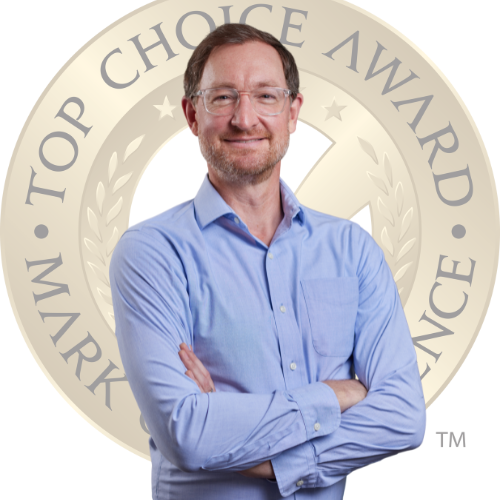
Drew has 25 years of clinical experience treating fertility and pregnancy-related conditions, and has spent 18 years training acupuncturists and other healthcare practitioners across Ontario in Traditional Chinese Medicine techniques — including Naturopathic Doctors & Medical Doctors.
I’m Drew Nesbitt — a registered TCM practitioner and acupuncturist who has been working alongside Toronto’s fertility community for nearly 20 years. I’m not a medical doctor and I’m not affiliated with any fertility clinic. What I am is someone who deeply respects what Ontario’s fertility clinics do and has spent two decades working in partnership with them — which means I’ve also spent two decades helping clients navigate the system around them.
I have enormous respect for the medical fertility world. The science, the technology, and the dedication of the physicians and staff who work in it are remarkable. What I can offer here is a complementary perspective — one that comes from sitting across from hundreds of individuals and couples who are trying to understand how this all works, what they’re entitled to, and how to make the most of every opportunity available to them.
This guide covers everything that matters: what the Ontario Fertility Program actually is, who qualifies, what’s covered and what isn’t, how the clinic allocation system works, why wait times vary so dramatically, and what the significant changes to the program mean for you right now. There’s also a new tax credit most people don’t know about yet — and it could save you thousands of dollars.
I’ll also share, honestly and without a sales pitch, what the waiting period means for your fertility — and why how you use that time matters more than most people realize.
If you have questions after reading, reach out. I answer every inquiry personally.
One important note before we dive in: if you are already a patient at a fertility clinic, your clinic team is always your best resource for questions specific to your situation. Clinic coordinators and patient managers are knowledgeable, accessible, and it is genuinely their job to help you — don’t hesitate to use them. The information in this article is intended for those who are earlier in the process — researching their options, trying to understand how the system works, or figuring out where to start. I’m not a medical doctor and while I’ve done my best to ensure everything here is accurate and current, funding programs can change. Always verify the details that matter most to you directly with a participating clinic or the Ontario Ministry of Health.
With that said — let’s get into it.
— Drew
Quick links — jump to the section you need:
- What is the Ontario Fertility Program?
- Who is eligible?
- What does funding cover (and what doesn't it cover)?
- Which clinics have access to funding?
- Wait times — what to realistically expect
- Funded vs. private IVF — what's the difference?
- The new 2025 Ontario Fertility Tax Credit
- How to get started — step by step
- What to do while you wait
- Frequently asked questions
Section 1 — What Is the Ontario Fertility Program?
The Ontario Fertility Program (OFP) is a publicly funded provincial initiative launched in 2015 by the Ontario Ministry of Health. Its purpose is straightforward: to help eligible Ontario residents access fertility treatments — primarily IVF and IUI — without the full financial burden falling entirely on their shoulders.
It is worth clarifying something that confuses a lot of people right away: the OFP is not OHIP coverage in the traditional sense. You won’t find it automatically applied to your health card the way a visit to your family doctor would be. It is a separate, dedicated funding program administered through a network of designated participating fertility clinics across the province. The government funds the clinics — and the clinics deliver the funded treatment to eligible patients.
A significant moment worth knowing about: In October 2025, the Ontario government announced a $250 million investment to expand the OFP — the largest single expansion of the program since it launched a decade ago. This investment is specifically designed to triple the number of families who can access publicly funded IVF, add new participating clinics across the province, and reduce the waitlist times that have frustrated so many Ontario families for years. If you looked into funded IVF a few years ago and were discouraged by what you found, it is worth looking again — the landscape has changed meaningfully.
What the program funds:
The OFP covers two main types of fertility treatment:
- IVF (In Vitro Fertilization) — one funded cycle per eligible person, per lifetime
- IUI (Intrauterine Insemination) — unlimited funded cycles for eligible patients
The one-cycle-per-lifetime limit on IVF is one of the most important things to understand about this program — and one of the things that shapes every decision that follows. That single funded cycle is a valuable and finite resource, and how and when you use it matters enormously.
A note on IUI: While IUI is considerably less intensive than IVF — and funded without a lifetime limit — it is also less effective, particularly for certain diagnoses and for those over 35. Many patients pursue funded IUI cycles while waiting for their funded IVF spot, which can make good use of the waiting period. Your fertility specialist will advise on whether IUI is appropriate for your situation.
Who runs it?
The program is administered by the Ontario Ministry of Health, which sets the eligibility criteria and allocates funding to participating clinics. Individual clinics are responsible for managing their own waitlists, confirming patient eligibility, submitting funding applications, and reporting regularly back to the Ministry on program performance — including wait times.
This decentralized structure is important to understand because it explains why your experience of the OFP can look very different depending on which clinic you choose. The rules are set provincially but the delivery is local — and that creates real variation in wait times, patient experience, and access.
Section 2 — Who Is Eligible?
One of the most common things I hear from clients is some version of “I didn’t think I would qualify.” The Ontario Fertility Program has broader eligibility than many people assume — and the 2025 expansion made it broader still. Here is exactly who qualifies.
The core eligibility requirements:
To access a funded IVF cycle under the OFP you must:
- Be a resident of Ontario with a valid OHIP card
- Be under 43 years of age at the time your funded cycle begins
- Have a medical reason for requiring IVF — this includes a wide range of diagnoses and circumstances (more on this below)
- Be a patient at a participating OFP clinic
That’s it. There is no income testing, no means assessment, and no requirement to have been trying for a specific length of time before applying.
Who is included:
This is where the program has evolved significantly and where a lot of outdated information still circulates. The OFP is explicitly inclusive regardless of:
- Sex or gender
- Sexual orientation
- Relationship status — single individuals qualify, not just couples
- Family structure — LGBTQ+ families are fully included
- Whether conception requires donor eggs, donor sperm, or a surrogate
This means a single woman, a same-sex male couple using a surrogate, or a same-sex female couple using donor sperm all have equal access to the program. The funding follows the individual, not the family configuration.
What counts as a “medical reason”?
This is where people often get confused. The medical reason requirement sounds more restrictive than it actually is in practice. Conditions and circumstances that typically qualify include:
- Blocked or damaged fallopian tubes
- Diminished ovarian reserve or low AMH
- Polycystic ovary syndrome (PCOS)
- Endometriosis
- Recurrent pregnancy loss
- Male factor infertility — including low sperm count, poor motility, or abnormal morphology
- Unexplained infertility
- Medical conditions that affect fertility (e.g. cancer treatment that impacts reproductive function)
- Same-sex couples and single individuals requiring donor gametes to conceive — this is considered a medical necessity under the program
Your fertility specialist at the participating clinic will confirm whether your specific situation meets the medical criteria. In most cases if you have been referred to a fertility clinic, you are likely to qualify.
The lifetime limit — and the one exception:
Each eligible person is entitled to one funded IVF cycle per lifetime. This applies regardless of outcome — whether the cycle results in a pregnancy, a loss, or is unsuccessful.
The one exception: if you act as a surrogate for another patient, you may be eligible for one additional funded cycle beyond your own personal lifetime entitlement.
IUI, by contrast, has no lifetime limit under the OFP. Eligible patients can access funded IUI cycles without restriction on number.
What about age — is 43 a hard cutoff?
Yes. The age limit of 43 is applied at the time your funded cycle begins — not when you apply or join the waitlist. This is a critically important distinction given that waitlists can run 12 to 24 months or longer at established clinics.
If you are 40 or 41 and considering the funded route, the math matters. Getting on a waitlist today at a clinic with an 18-month wait means you may be 42 or close to 43 by the time your cycle begins. This is a conversation worth having explicitly with your fertility specialist — and it is one of the situations where pursuing a private cycle first, or choosing a clinic with a shorter waitlist, may be the more strategic decision.
I say this not to alarm anyone but because I have seen clients lose their funded eligibility while waiting — and that is a heartbreaking outcome that can sometimes be avoided with earlier planning.
A note on sperm donors and OHIP: If a sperm or egg donor has a valid OHIP card, their related clinical services — the medical procedures involved in donation — may be funded under the OFP even though the cost of purchasing or storing donor gametes is not. The clinical service and the commodity are treated separately under the program.
Summary — who qualifies at a glance:
| Criteria | Requirement |
|---|---|
| Residency | Ontario resident with valid OHIP card |
| Age | Under 43 at time cycle begins |
| Medical reason | Required — broad range of conditions qualify |
| Relationship status | Any — single, partnered, married |
| Sexual orientation | Any |
| Family structure | Any — LGBTQ+ families fully included |
| Income | No means testing |
| Funded cycles (IVF) | One per lifetime |
| Funded cycles (IUI) | Unlimited |
Section 3 — What Does the Funding Actually Cover?
This is the question I hear most often — and where the gap between expectation and reality tends to hit hardest. The funded cycle covers more than people expect in the clinic, and less than people hope for outside of it.
What IS covered:
| Covered Under OFP | Notes |
|---|---|
| Ultrasound monitoring | All cycle monitoring included |
| Blood work | Throughout the cycle |
| Physician visits | All related appointments |
| Sperm preparation | Including ICSI |
| Egg retrieval | Procedure and anesthesiology |
| Fertilization | Including ICSI and assisted hatching |
| Blastocyst culture | Embryo development in lab |
| Fresh embryo transfer | One-at-a-time transfer protocol |
| Frozen embryo transfers | All viable embryos from the funded cycle |
| Embryo freezing | Initial freezing included |
What is NOT covered:
| Not Covered | Approximate Cost |
|---|---|
| Fertility medications | $3,000 – $8,000+ per cycle |
| Donor eggs or sperm | Purchase, shipping and storage |
| Genetic testing (PGT-A) | $3,000 – $6,000+ |
| Embryo storage (ongoing) | Annual fees vary by clinic |
| Additional IVF cycles | If funded cycle is unsuccessful |
| Travel costs | Getting to and from clinic |
The new 2025 Ontario Fertility Treatment Tax Credit can help offset many of these uncovered costs — more on this in Section 7.
The bottom line:
The funded cycle covers the core medical procedure comprehensively. What it doesn’t cover are the medications and add-ons — which can still add up to several thousand dollars even with funding. Going in with a clear budget for the uncovered costs prevents unwelcome surprises.
Section 4 — Which Clinics Have Access to Funding — and Why It Matters More Than You Think
This is the most misunderstood aspect of the entire program — and getting it right can save you a year or more of waiting.
Not every fertility clinic in Ontario participates in the OFP.
Only designated participating clinics can offer funded cycles. If you attend a non-participating clinic — even an excellent one — you will pay privately regardless of your eligibility. Confirming participation before booking your first appointment is essential.
How the allocation system works:
The government doesn’t give clinics unlimited funded cycles. Each participating clinic receives an allocated number of funded cycles per year. When that allocation is used up, new patients join a waitlist until the next funding period.
This is why two clinics in the same city can have dramatically different wait times — one may have used most of its annual allocation while another has capacity remaining. It’s also why the October 2025 expansion matters so much: new clinics were added to the program for the first time, and newly participating clinics currently have little to no waitlist.
Newly added Toronto-area clinics (October 2025 expansion):
- Pollin Fertility
- Twig Fertility
- Tripod Fertility
These clinics joined the program as part of the $250 million expansion and are currently reporting significantly shorter wait times than established program clinics. If wait time is your primary concern, contacting these clinics directly is worth doing immediately.
Established participating Toronto-area clinics:
Well-known clinics like TRIO Fertility, Create, Mount Sinai Fertility, Hannam Fertility, IVF Canada, and OFC have participated in the program for years and have strong reputations — but higher demand means longer waitlists, typically 12–24 months or more.
Key insight: You are allowed to join the waitlist at more than one participating clinic simultaneously. If wait time is a concern — particularly if you are approaching 40 or have diminished ovarian reserve — registering at multiple clinics and taking the earliest available spot is a legitimate and commonly used strategy.
How to find the current list of participating clinics:
The Ontario government maintains an up-to-date list at ontario.ca — search “Ontario Fertility Program clinics.” Always verify directly with the clinic that they are currently accepting funded patients, as participation and capacity can change.
Section 5 — Wait Times — What to Realistically Expect
Wait times are the part of this process that cause the most anxiety — and understandably so. Here is the honest picture.
The current reality:
Wait times for funded IVF cycles in Ontario vary dramatically depending on the clinic. Based on current data:
| Wait Time | Clinic Type |
|---|---|
| Little to no wait | Newly added OFP clinics (post Oct 2025) |
| 3 – 6 months | Some clinics with recent capacity increases |
| 12 – 24 months | Most established Toronto clinics |
| Up to 36 months | Highest-demand clinics |
Why wait times vary so much:
- Each clinic manages its own waitlist independently
- Allocation of funded cycles differs between clinics
- Newer program participants have more available capacity
- Toronto clinics generally have higher demand than smaller centres
- Clinic reputation and physician preference drive demand unevenly
Three things most people don’t know about waitlists:
1. You can be on multiple waitlists at once. There is nothing stopping you from registering at two or three participating clinics simultaneously and accepting whichever spot comes up first. Given the stakes involved, this is worth doing.
2. Once your spot comes up, you have 90 days to begin. Missing this window can mean losing your funded spot entirely. Make sure you are genuinely ready — physically, emotionally, and logistically — before your name reaches the top of the list.
3. Getting on a waitlist costs you nothing. Even if you’re not certain you’ll need IVF, joining a waitlist early is low risk. You can always decline when your spot comes up. You cannot, however, get that time back if you wait too long to join.
Age and wait times — a critical combination: If you are 40 or older, the intersection of age and wait time deserves serious attention. A 18-month waitlist at an established clinic means beginning treatment at 41 or 42 — potentially close to the 43-year eligibility cutoff. Speak with your fertility specialist explicitly about whether the funded wait time is appropriate for your situation, or whether a private cycle makes more strategic sense given your age and ovarian reserve.
The October 2025 expansion and wait times:
The $250 million provincial investment is specifically aimed at reducing wait times across the board. Toronto participating clinics are expected to collectively deliver approximately 2,250 additional funded IVF cycles under the new investment. This is meaningful progress — though established clinic waitlists will take time to work through.
The practical takeaway: if you looked into funded IVF before October 2025 and were discouraged by wait times, it is worth reassessing now. Also, in my experience, super long wait times are rarely necessary to wait for – most people are accepted within 6-10 months. I’ve never had a client wait longer than a year to get on a list (just speaking personally).
Section 6 — Funded vs. Private IVF — What’s the Difference Beyond Cost?
This is a question I get asked regularly — and the answer is simpler than most people expect.
Medically, the procedure is identical.
The same physicians, the same laboratory, the same protocols. A funded cycle and a private cycle at the same clinic are clinically indistinguishable. The funding status changes the billing — not the quality of care.
Where the differences actually lie:
| Funded Cycle | Private Cycle | |
|---|---|---|
| Cost | Procedure covered by OFP | Full cost out of pocket ($8,000 – $15,000+) |
| Wait time | 3 months to 3 years | Typically 1 – 3 months |
| Scheduling flexibility | Less — tied to waitlist | More — you control the timing |
| Eligibility restrictions | Must meet OFP criteria | No restrictions |
| Lifetime limit | One cycle per lifetime | Unlimited |
| Medications | Not covered either way | Not covered either way |
| Tax credit | Applicable | Applicable |
When a private cycle might make more sense:
- You are 40 or older with diminished ovarian reserve and cannot afford to wait
- Your AMH is low and time is a genuine clinical factor
- You have already used your funded cycle
- You want to control the timing precisely — around work, travel, or other life factors
- You are not eligible for OFP funding
When waiting for the funded cycle makes sense:
- You are under 38 with reasonable ovarian reserve
- You have time on your side and the wait is manageable
- Cost is a significant barrier to pursuing a private cycle
- You are already on a waitlist and the timing works
Drew’s perspective: Many of my clients pursue a private cycle first when timing is clinically important — particularly those with low AMH or diminished ovarian reserve — and hold the funded cycle as a second opportunity. This is a legitimate strategy worth discussing with your fertility specialist. The funded cycle is a valuable lifetime asset. When you use it, and under what circumstances, matters.
A note on sperm quality in this context:
Whether you pursue a funded or private cycle, the quality of both eggs and sperm going into that cycle matters enormously. The procedure itself is only as good as the raw material it works with. This is true regardless of funding status — and it’s one of the reasons how you use the waiting period is so important. More on this in Section 8.
Section 7 — The 2025 Ontario Fertility Treatment Tax Credit
This is the section most people haven’t heard about yet — and it could save you thousands of dollars.
What is it?
Effective January 1, 2025 — and retroactive to that date — the Ontario government introduced the Ontario Fertility Treatment Tax Credit (OFTTC). It is a refundable tax credit designed specifically to help offset the significant out-of-pocket costs that the OFP doesn’t cover.
How it works:
| Detail | Amount |
|---|---|
| Credit rate | 25% of eligible expenses |
| Maximum eligible expenses | $20,000 per year |
| Maximum annual credit | $5,000 per year |
| Type | Refundable — you receive it even if you owe no tax |
| Start date | Retroactive to January 1, 2025 |
What expenses are eligible:
- IVF cycles — both funded and private
- Fertility medications
- Diagnostic testing
- Travel costs related to fertility treatment
- Related medical costs
Three things worth knowing:
1. It’s refundable. Unlike a non-refundable tax credit that only reduces what you owe, this credit is refundable — meaning you receive the money back even if your tax bill is zero. This makes it genuinely accessible to everyone, regardless of income.
2. It’s stackable. The OFTTC can be claimed in addition to existing federal and provincial medical expense tax credits — not instead of them. For patients with significant out-of-pocket fertility expenses, combining these credits can provide meaningful financial relief.
3. It applies to both funded and private cycles. Even if your IVF procedure is covered by the OFP, your medications, genetic testing, and storage costs are not — and those are all eligible for the tax credit. Private cycle patients can claim the full procedure cost as well.
Practical example: If you spend $20,000 in eligible fertility expenses in a calendar year — a realistic figure when you factor in medications, genetic testing, and storage — the OFTTC alone returns $5,000. Combined with federal and provincial medical expense credits, the total relief can be considerably more. Speak with your accountant about how to maximize these claims.
Important: Tax credits and program details can change. Always verify current eligibility and claim procedures with the Ontario Ministry of Finance or a qualified tax professional.
Section 8 — How to Get Started: Step by Step
The process of accessing funded IVF in Ontario is more straightforward than most people expect. Here it is in plain English.
Step 1 — See your family doctor or a walk-in clinic Ask for a referral to a fertility specialist. This is typically your entry point into the system. Some participating clinics accept self-referrals — it’s worth calling ahead to ask.
Step 2 — Choose a participating OFP clinic Not all fertility clinics in Ontario participate in the program. Confirm participation before booking. The current list is available at ontario.ca — search “Ontario Fertility Program clinics.” Consider registering at more than one clinic if wait time is a concern.
Step 3 — Attend your initial consultation Bring all previous fertility-related records — bloodwork, semen analyses, ultrasound reports, any prior treatment history. The more information your specialist has from the start, the more efficiently your assessment can move forward.
Step 4 — Complete required pre-treatment testing Before being placed on the funded waitlist you will typically need:
- Bloodwork (hormonal panel, AMH, infectious disease screening)
- Semen analysis
- Baseline ultrasound
- Any additional investigations your specialist recommends
Step 5 — Funding eligibility is confirmed Your clinic reviews your situation against OFP criteria and submits your funding application to the Ministry of Health. This process typically takes a few weeks.
Step 6 — Join the waitlist Once approved you are placed on the clinic’s funded cycle waitlist. This is the point at which wait time begins — and where patience becomes part of the process.
Step 7 — Your spot comes up You will be contacted by the clinic when your funded cycle is ready to begin. From this point you have 90 days to start treatment. Missing this window risks losing your spot.
Step 8 — Begin your funded cycle Your clinic will walk you through the medication protocol, monitoring schedule, retrieval, fertilization, and transfer process in detail.
💡 One practical tip that saves time: Don’t wait until your referral is in hand to research clinics. Start identifying participating clinics and understanding their waitlists now — so that when your referral comes through you can act immediately rather than losing weeks to research.
Section 9 — What To Do While You Wait
The waiting period is one of the most underused opportunities in the entire IVF process.
Most people put their fertility journey mentally “on hold” while they wait for their funded spot. I understand why — the waiting is emotionally exhausting and it can feel like nothing meaningful can happen until the clinic calls. But biologically, a lot can happen in 12 to 18 months. The question is whether it happens for you or to you.
Why the waiting period matters clinically:
Both egg and sperm cells take approximately 90 days to mature before they are used in a cycle. This means the quality of the eggs retrieved and the sperm used at your IVF cycle is directly influenced by what you do — and don’t do — in the three months leading up to it.
A funded cycle is a one-time lifetime opportunity. Arriving at that cycle with eggs and sperm in the best possible condition isn’t a luxury — it’s strategy.
What you can do during the wait:
Optimize egg and sperm quality through supplementation Evidence-based supplements like CoQ10 (ubiquinol), PQQ, NAC, and omega-3 fatty acids support mitochondrial function in egg cells and reduce oxidative damage in sperm. These aren’t fringe recommendations — many fertility clinics now provide supplement guidance as part of their IVF preparation protocols. Dosage and timing matter, so personalized guidance is worth seeking.
Address diet and lifestyle Blood sugar regulation, anti-inflammatory eating, reducing alcohol, avoiding heat exposure for sperm, maintaining a healthy weight — these are all factors with documented relevance to both egg quality and sperm parameters. Small consistent changes over 12 months add up significantly.
Manage stress actively The stress-fertility connection is real and measurable. Elevated cortisol affects hormone regulation, disrupts cycle regularity, and can impair both egg quality and sperm production. The emotional weight of infertility is significant — having active strategies to manage it rather than just endure it makes a clinical difference.
Get your cycle as regular and healthy as possible For those with irregular cycles, PCOS, or cycle-related concerns, the waiting period is an opportunity to regulate — so that when your funded cycle begins, your body is already in the best possible rhythm.
Where acupuncture fits in:
Most of Toronto’s leading fertility clinics now actively encourage their patients to work with an experienced acupuncturist throughout the IVF process — not as an alternative to medical treatment, but as a meaningful complement to it.
After nearly 20 years working alongside Ontario’s fertility community, here is what I can tell you honestly: the patients who arrive at their retrieval or transfer having actively prepared — addressing egg and sperm quality, stress, cycle health, and overall wellbeing — consistently show up in better shape than those who waited passively.
Acupuncture during the IVF process typically focuses on:
- Before retrieval — supporting egg quality, optimizing follicular blood flow, regulating the stress response
- Before transfer — preparing the uterine lining, reducing anxiety, supporting implantation conditions
- Day of transfer — pre and post transfer acupuncture is something many Toronto fertility clinics now recommend specifically, with a growing body of research supporting its use
- After transfer — supporting the luteal phase, managing stress during the two-week wait
- Sperm quality — for male partners, acupuncture and targeted supplementation can meaningfully support sperm motility, morphology, and DNA integrity in the months before a cycle
I want to be clear: acupuncture is not a guarantee of IVF success and anyone who tells you otherwise is overpromising. What it offers is a way to optimize the conditions you bring to the process — and when you only have one funded cycle, optimizing every variable within your control is worth taking seriously.
Drew’s note: If you’re preparing for a funded or private IVF cycle in Toronto and want to talk through what preparation makes sense for your specific situation, book a consultation here. You’ll receive a personalized plan at your first visit — covering supplements, diet, lifestyle, and how acupuncture can best support your timeline.